
Quantities ·
Stockpile volumes both sides will accept
Agree the surface, boundary, date, method and assumptions before anyone measures, so the result is not argued afterwards.
Project Prime · Practical checklist
Why volumes get argued
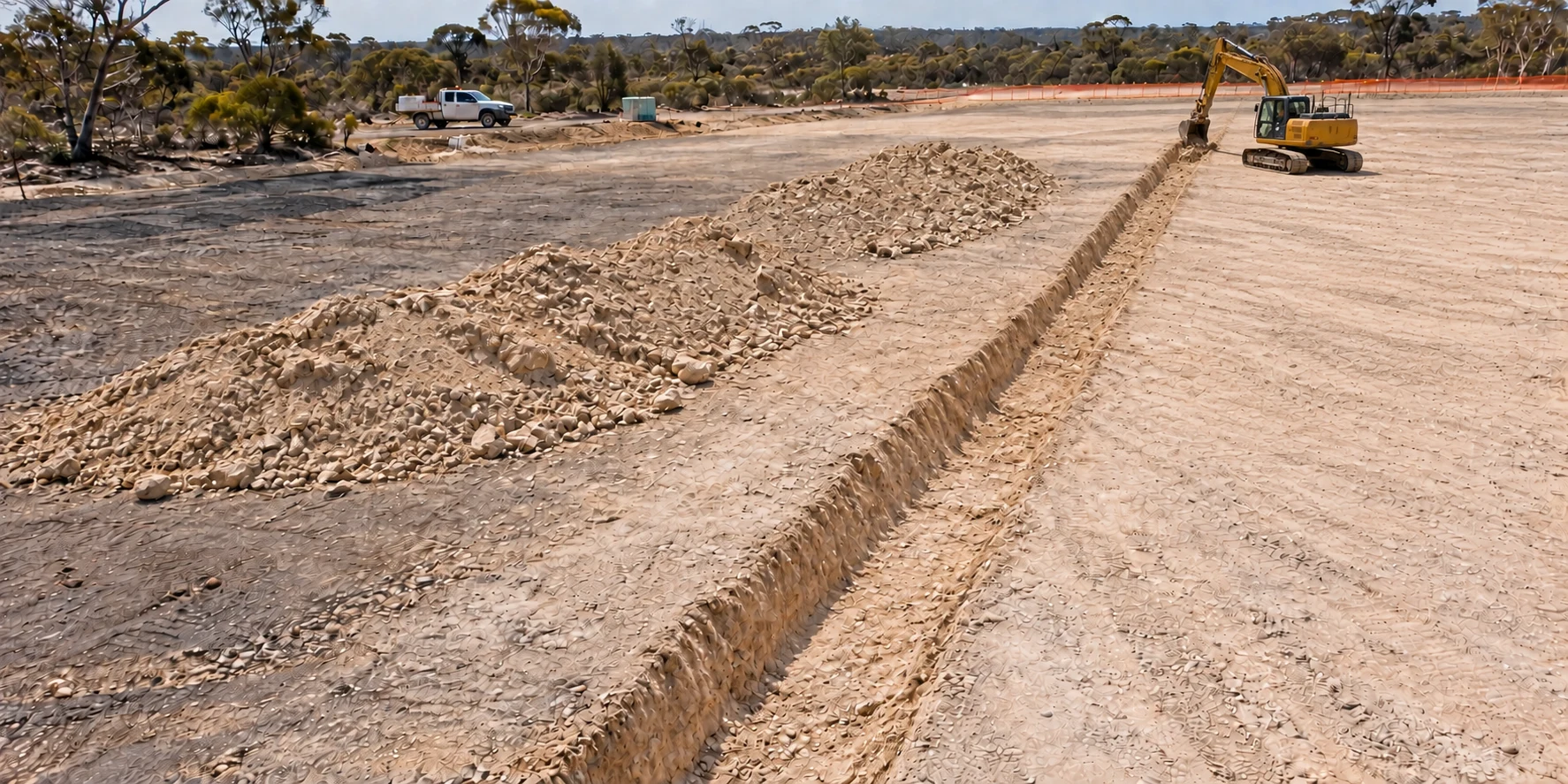
Two people can measure the same stockpile and report different volumes, and both can be correct. The difference usually sits in the choices behind the number: which surface, which boundary, which day, which method. Settle those choices first and the arithmetic rarely causes a dispute. Write the five choices on one page and have both sides initial it before the survey, so nobody reopens them afterwards. This checklist works for stockpile volumes and for earthworks cut and fill alike.
Agree the surface
Name the base surface the volume is measured from. It might be the original ground, a previous survey or a design surface. Record the survey it came from, its date and its revision. If the base surface is a design, confirm which issue of the drawings it was built from, because a revised drawing changes the answer.
Agree the boundary
Draw the boundary on a plan that both sides sign off. A stockpile that spills over the edge, a haul road inside the area, or a batter that stops short of the line can all move the total. Make exclusions visible on the plan, and list any areas that could not be reached.
Agree the date
Material moves every day, so a volume belongs to a date. Agree the survey date and the cut-off for the claim or reconciliation, and confirm that nothing was added or removed between the survey and the cut-off. If it was, record how that movement is treated. On a busy site, put the time of day on the survey as well.
Agree the method
Say how the surface was captured and how the volume was calculated. Drone survey, GNSS or total-station survey can all work, and each has limits at vegetation, standing water and steep faces. Record the software, the type of surface model and the way the boundary was applied, so another person can repeat the calculation.
Write the assumptions down
A volume is not a mass. If you convert to tonnes, record the density or conversion factor and where it came from. Note any allowance for swell, shrinkage or moisture as a stated assumption, with its source, rather than folding it into the total. Never apply a generic adjustment without saying so.
Run a reasonableness check before you sign
Compare the volume with something independent: delivered loads, a hand estimate from the plan, or the previous survey. A large mismatch usually points to a wrong surface or boundary, and it is far easier to find before the number is invoiced than after. Record the check and its result beside the volume.
Keep the files and settle differences on the surface
Both sides should hold the same survey files, boundary and calculation version. If the numbers differ, compare surfaces and boundaries, not totals, and the cause will usually show itself. Project Prime prepares quantity checks and drone progress surveys on this basis: each result names its surface, boundary, date, method and assumptions, so you can defend it.
The service this note is about: Drone progress surveys
General preparation notes. Confirm the requirements, methods and approvals for your project with the responsible team.
Tell us about the job